What's currently cooking?
Few updates on what's going on lately!
Hello again!
This post will be kind of chaotic since I want to include many small updates in one wall of text.
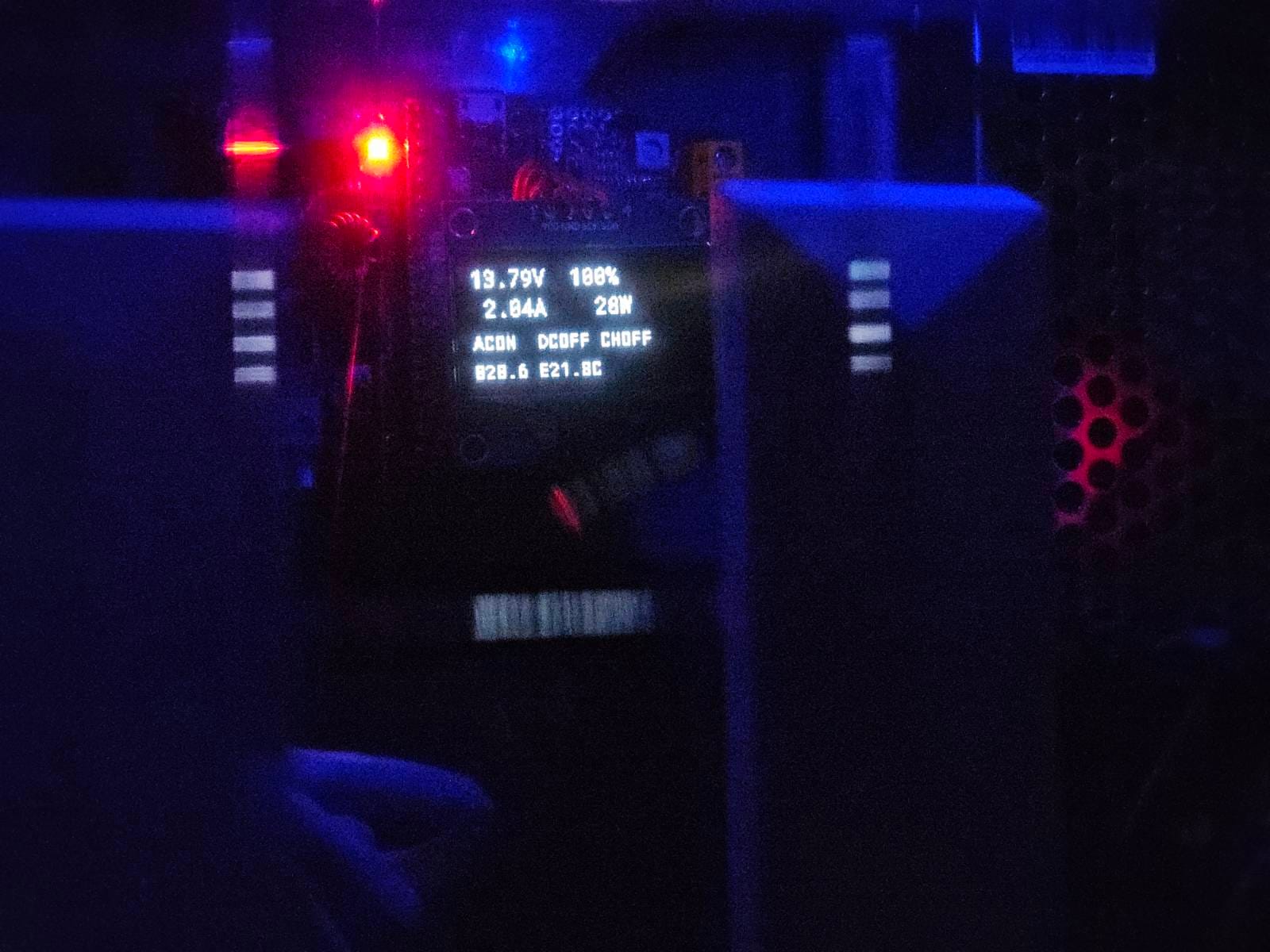
In my last post I described the process of bringing a custom DC UPS to life, among other things.The UPS is currently live, works as expected (that's strange) and after a few network issues (remember - it's always DNS) we are up and running.
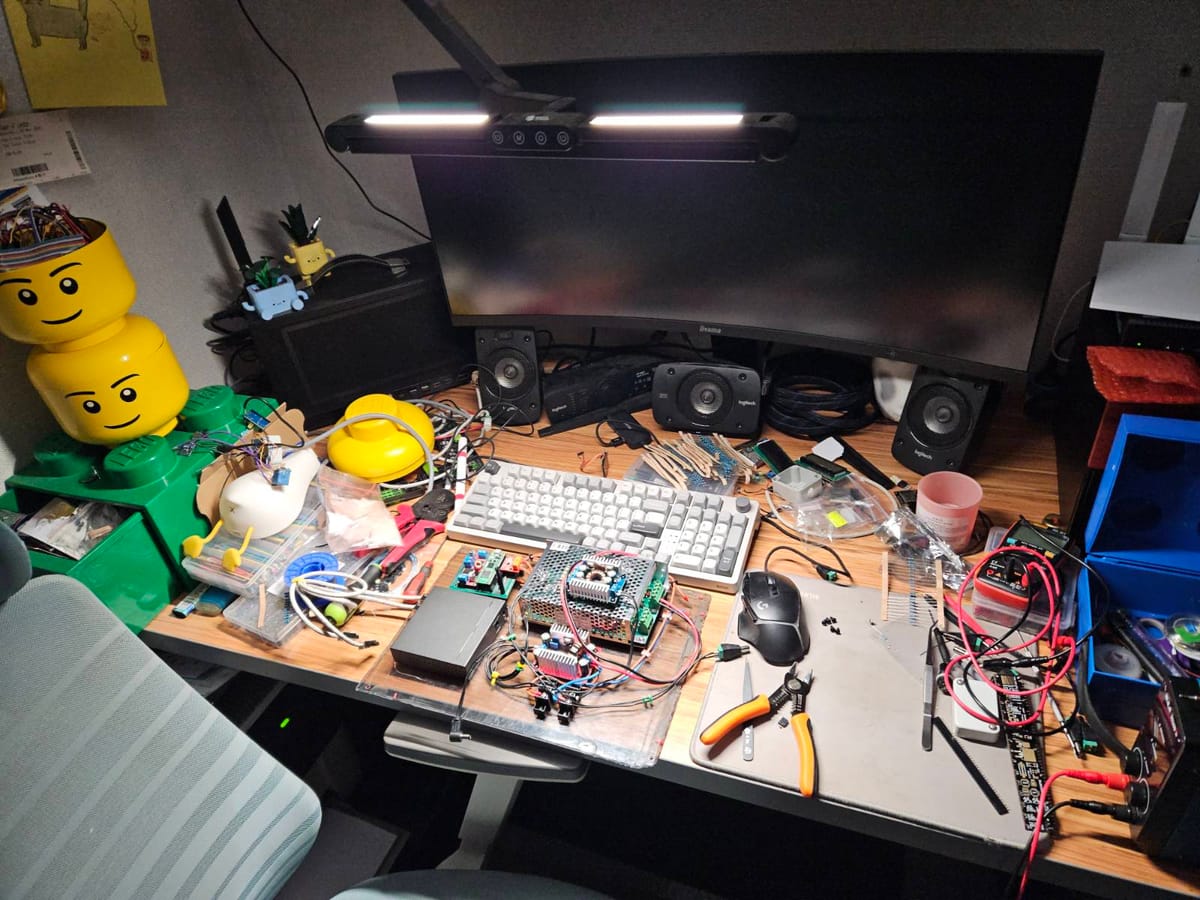
A Frigate instance was installed to collect camera recordings to our server, which also works??? I needed to change full-resolution encoding from H.265 to H.264 to actually make it work. Also, P2P/UID identification was disabled in both cameras to disallow them from being reached through the manufacturer's cloud. With the whole setup being in the attic, temperatures inside vary greatly during the day - for example, if the outside temperature during the day ranges from 15 to 25°C, inside temperatures are always a few degrees higher.
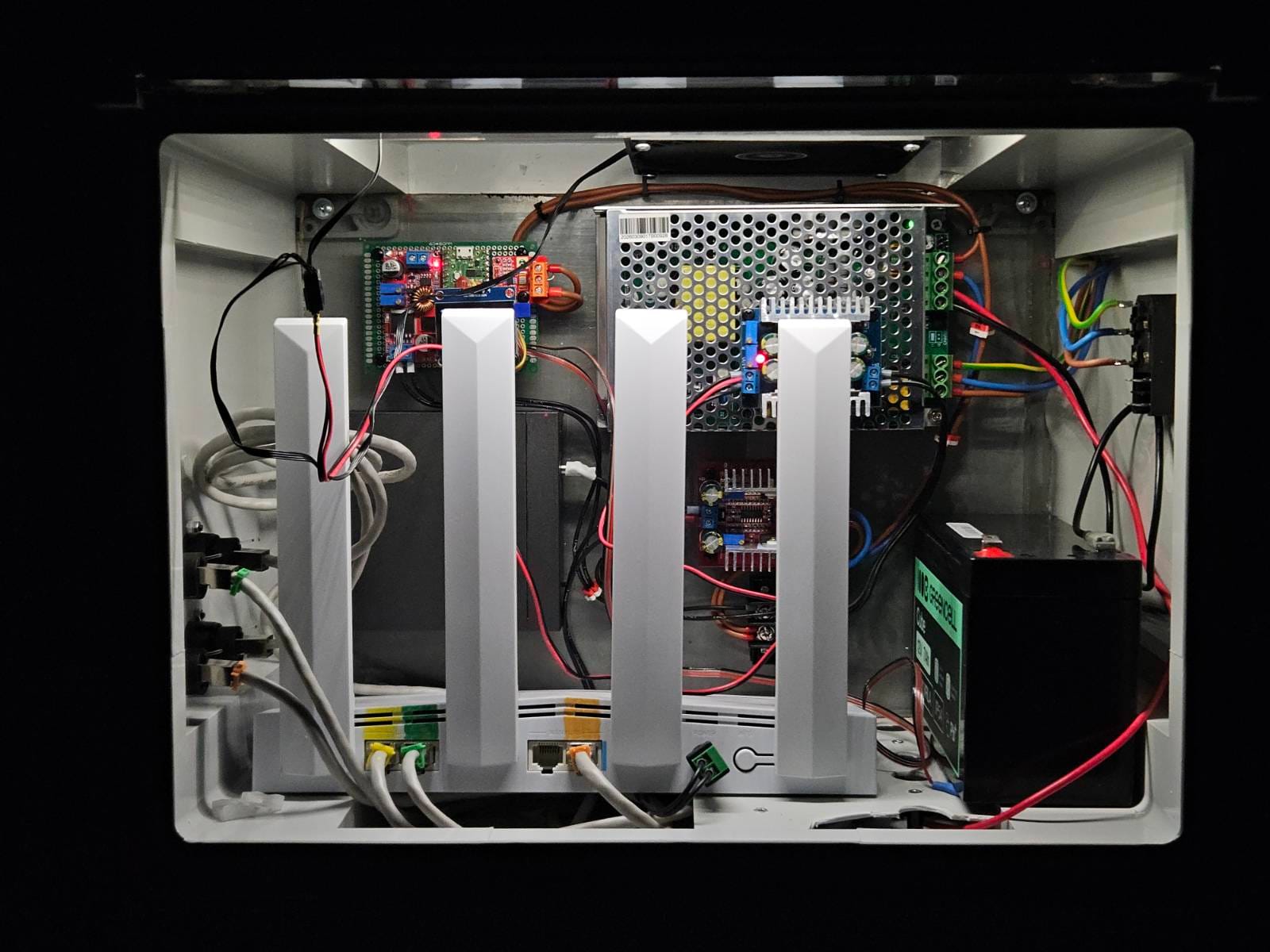
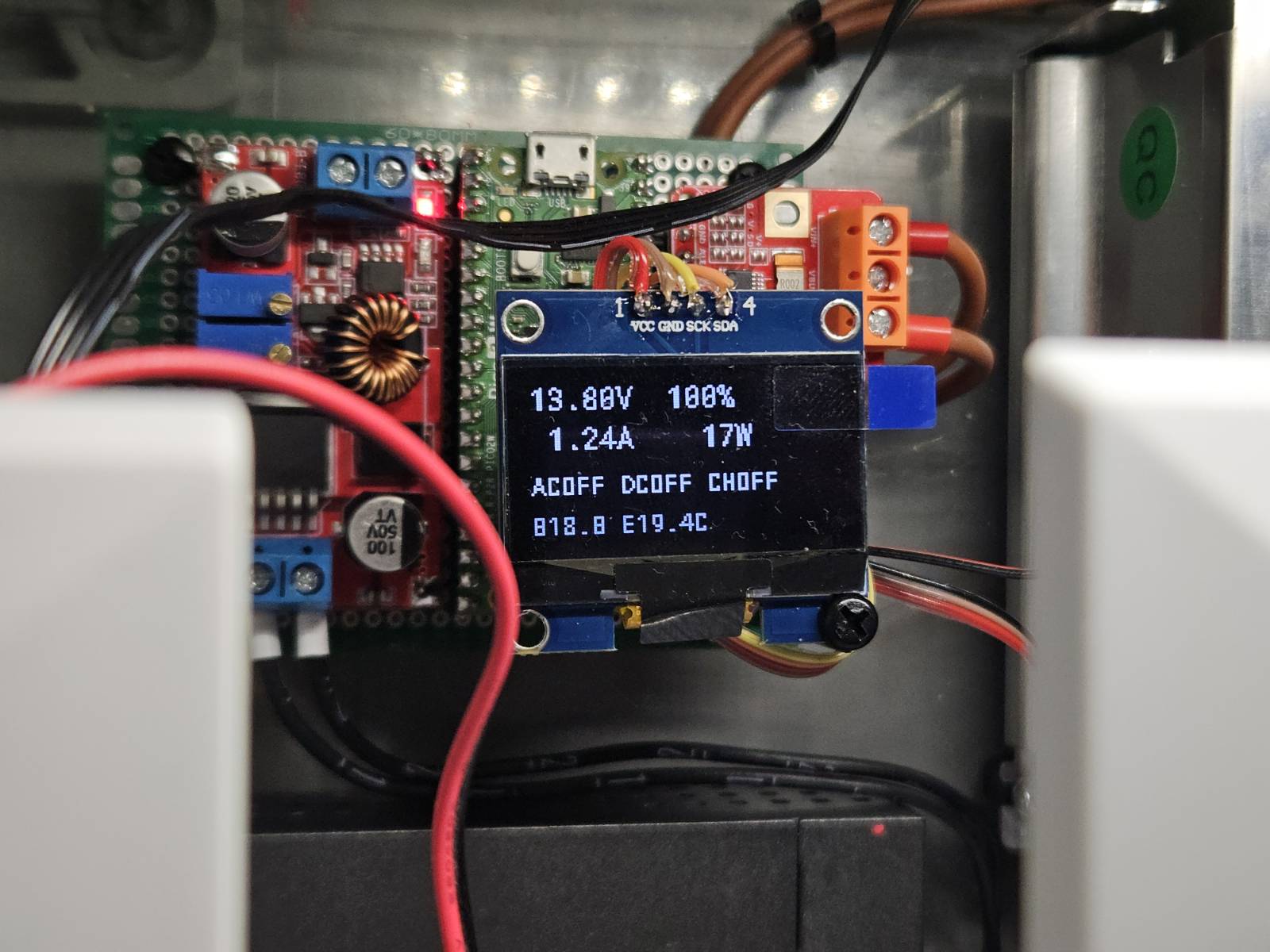
The whole thing looks better than I imagined. Also, I added a gesture-controlled simple light switch to toggle LEDs inside.
In the meantime I also submitted my application to second-degree studies (applied computer science, yay) which (if I get accepted) will last for a year and a half. Hopefully this brings me closer to my dream of space/aerospace embedded engineering. If not, then at least I will learn something new.
As for our Frontier Companion App, we already started development of a new update which will be released sometime after the Lightyear Frontier 1.0 release to include the newly added content and stay up to date with the live game state. Currently we are exploring the 1.0 beta release of the game to have a look around at the new things. However, probably many things will still change before the 1.0 release, so actual item data will be populated closer to release - we will post here and on Instagram when we are close.
Also, this weekend we fixed the tumble dryer at my girlfriend's parents' house. The main issue was that it was adding time to the ongoing cycle - for example, a cycle which should take 1h40min in reality lasted for 3 hours or more, with clothes inside still not as dry as they should be.
The constant-temperature cycle also did not get hot enough to drain all water from the clothes, which means the machine did not generate enough heat. The worst-case scenario was that gas from the compressor was leaking and thus its performance was reduced.However, with my experience in working with home appliances, I thought that probably the heat exchanger on the bottom had its airways blocked with dryer lint. This was a lot of work because the whole device needed to be disassembled down to the base to reach the exchanger - still better than fixing a leaky gas installation.
So with that in mind, we started to dismantle the whole thing.
Lifting the cover of the heat exchanger presented us with a somewhat expected and welcome view - the front wall of the exchanger completely blocked. Lint was coming off it like that Thai ice cream but in much thicker layers. Having everything clean down there, we started to put everything back together. A weird thing happened - no screw was lost during the process (we even gained one). So anyway, we started drying. The layer of lint on the left photo accumulated over almost 10 years of usage.
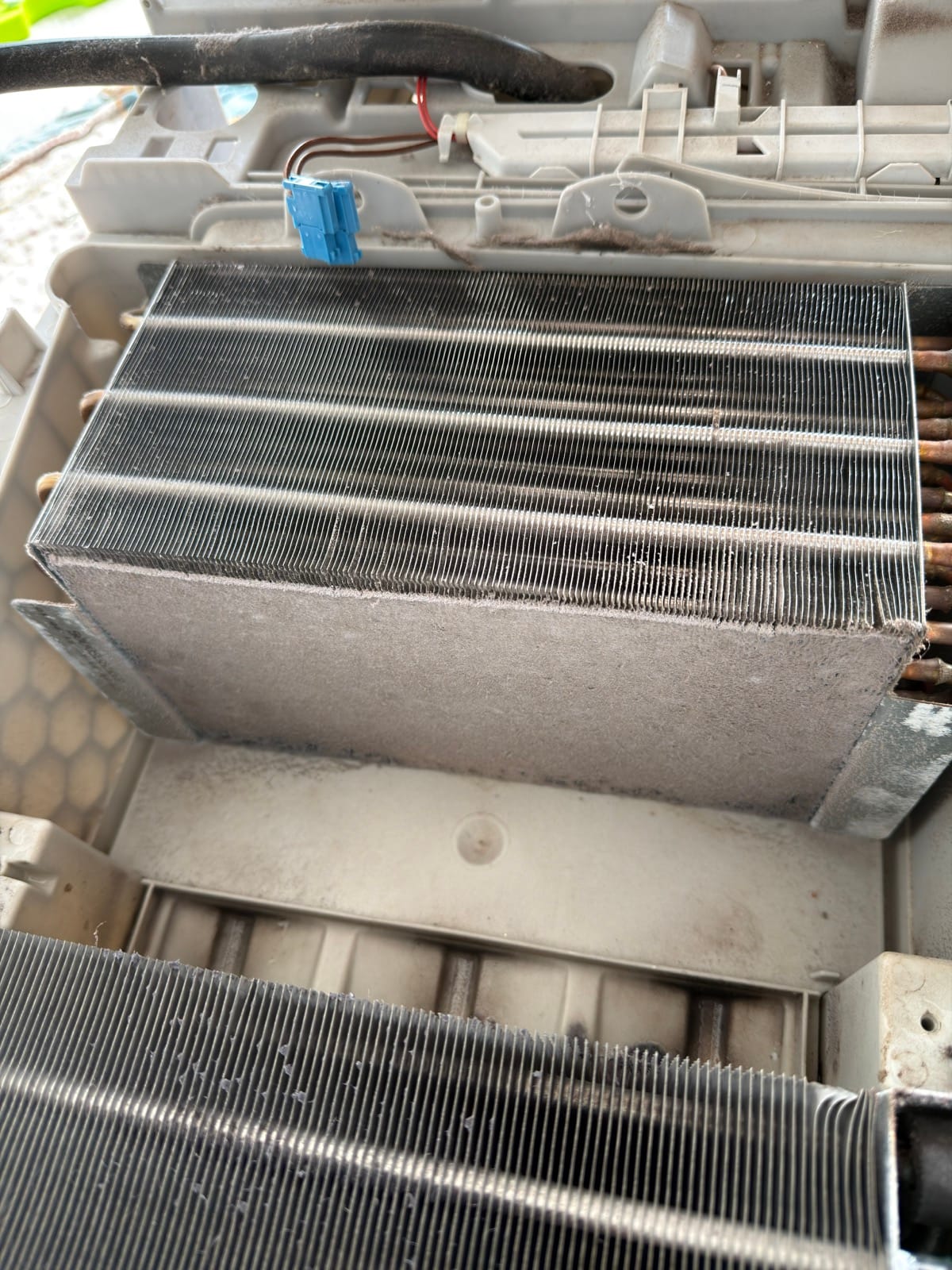
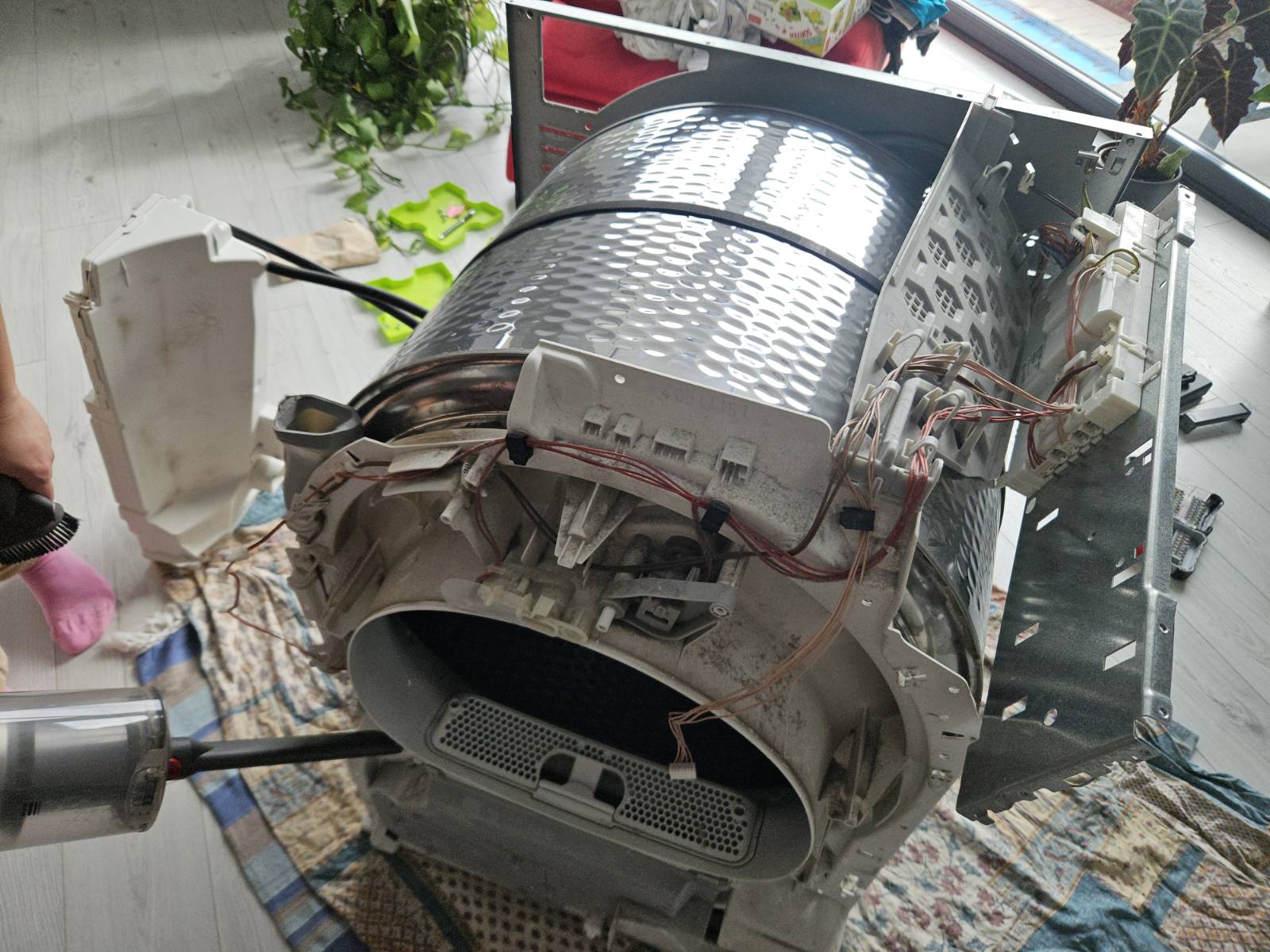
Layer of lint on the left photo accumulated over almost 10 years of usage.
First, we soaked some clothes with plain water, set the cycle to constant temperature (which bypasses the humidity sensor - this way we can notice the difference in heating efficiency) and after half an hour the clothes were hot and dry. The next step was to run a normal cycle for a standard laundry load - this also proved our repair was successful.
Great success!
I also designed and built a swing gate controller to be connected to Home Assistant, while also able to receive commands through the ESP-NOW protocol (in case Home Assistant goes down and to make it as quick as possible).
This thing will probably get its own blog post in the nearest future, so stay tuned!
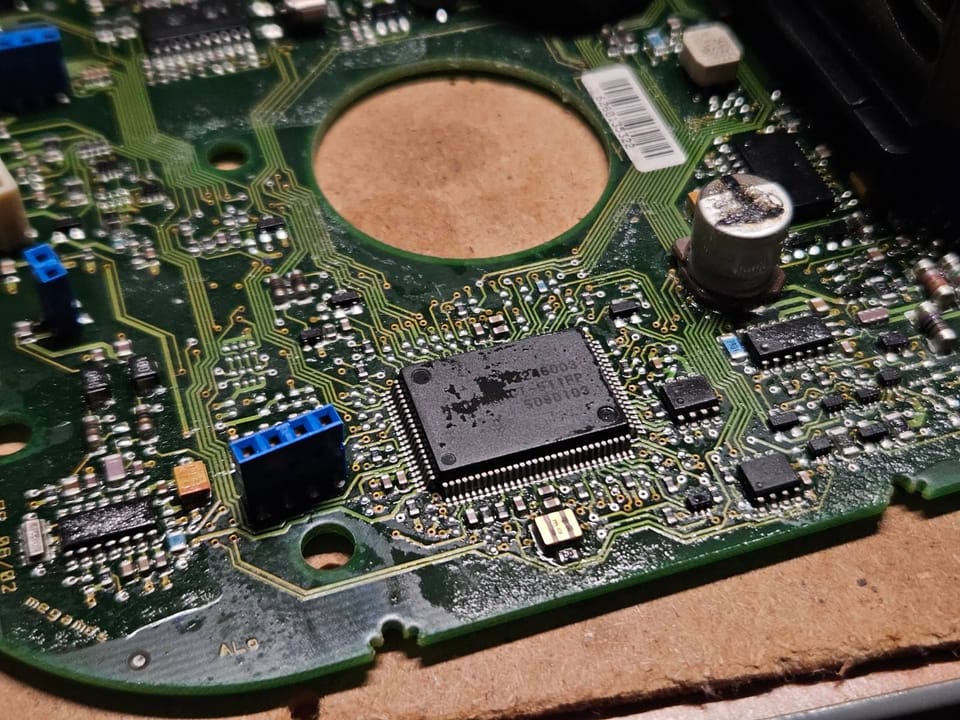
Our nearest future projects are probably to finish the car dashboard from a few posts back, and install a central heating furnace temperature sensor as winter is creeping around the corner (this will also be covered in a blog post).
As for software projects, I will continue to migrate away from the Google ecosystem to a self-hosted one and, where it is not possible, use open-source or Europe-based software solutions (for example, maps and navigation). There is also one task which I keep postponing - moving my whole knowledge base into a hosted Trilium instance - manuals, datasheets, schematics and other useful things, but this will probably take much longer than I want to admit.
And lastly, since it's September we started our yearly Minecraft phase. It is also hosted on our own server; the map is pregenerated using Chunky to reduce server load during exploration and to properly generate BetterStructures on our map. We have a small party (less than 10 people) which our server manages beautifully. We meet on weekends and play using LAN, or Tailscale during the week.
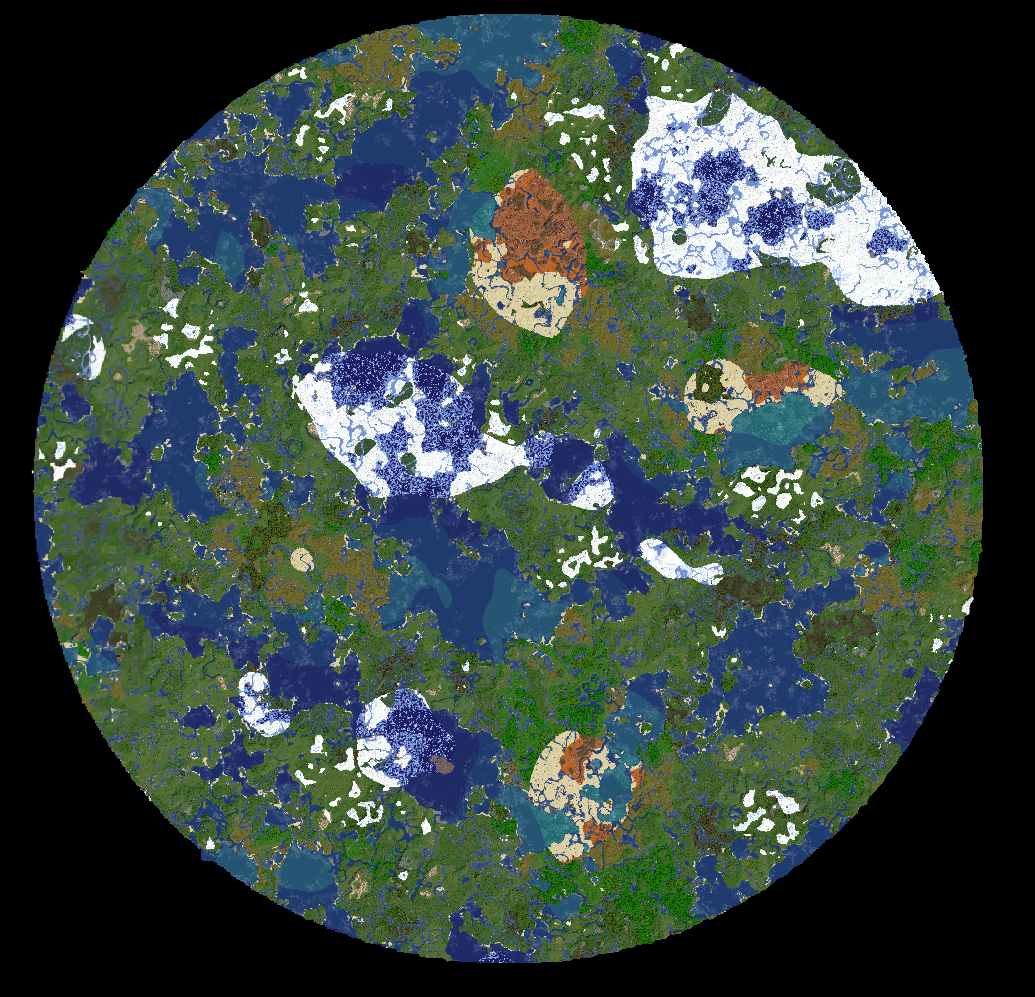
Below is a map of our current 26.2 world, generated using Chunky and displayed using the Bluemap plugin. The radius is 10k blocks - the whole thing took around 20 hours to generate (overworld only). Let the building begin and see you soon!